
Sarasota Garage Door Guide
Why a Cold Snap Still Snaps Springs in a Mild-Climate Town
Sarasota's mild climate hides spring fatigue until a cold snap hits. See why 1960s-2012 housing stock here fails differently than up north.
- Licensed & Insured
- Same-Area Service Calls
- Upfront Pricing
What Most People Get Wrong
Most homeowners here assume garage door springs are a cold-weather problem for other places, not Sarasota. That's mostly true, and it's exactly why it catches people off guard when it isn't.
Sarasota sits in a mild temperate band, so torsion springs on local doors don't go through the daily freeze-thaw cycling that grinds down steel in northern climates. That absence of cycling is actually a reason springs here often outlast the manufacturer's cycle rating rather than failing on schedule.
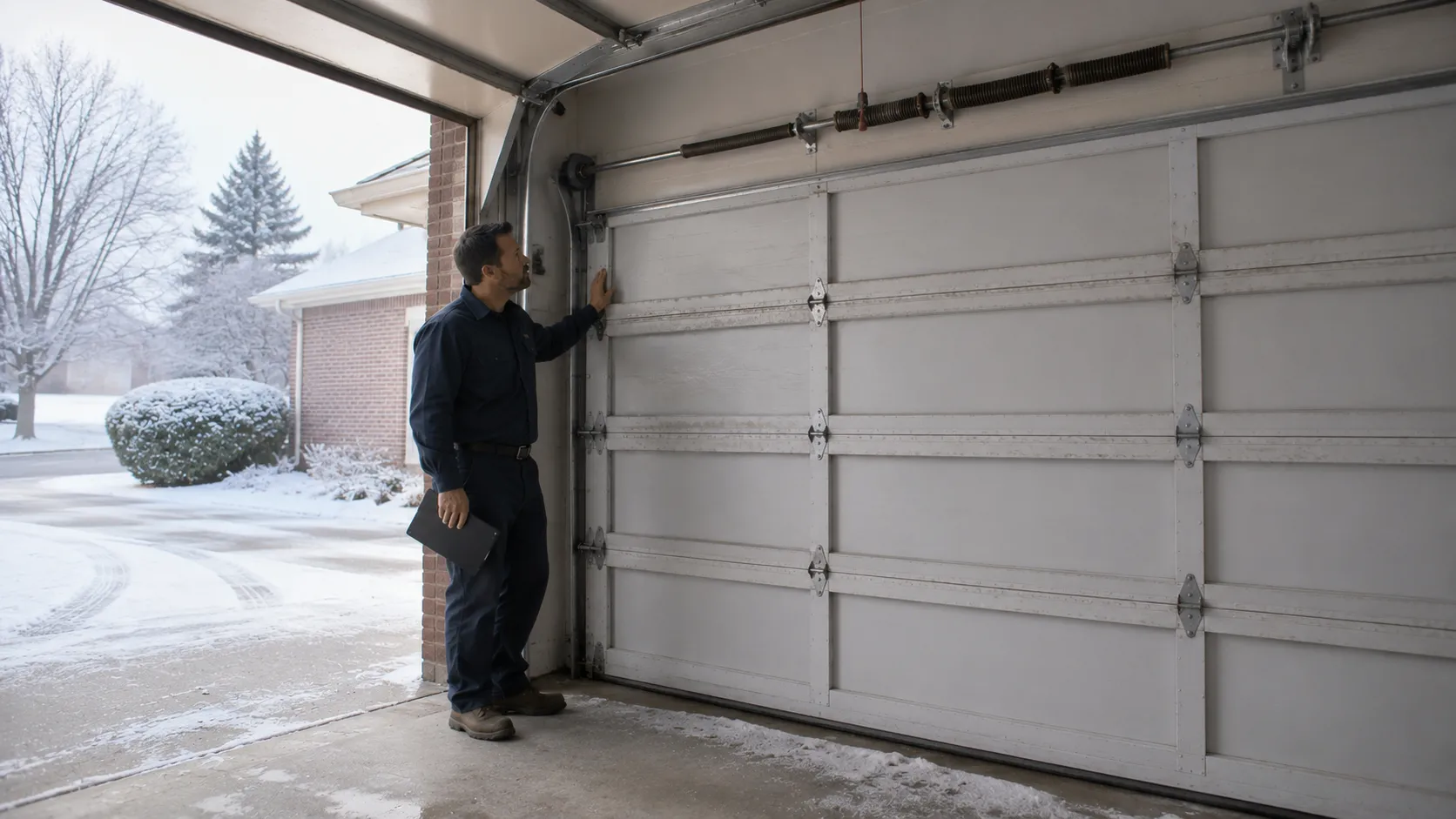
The mistake is treating that as permanent immunity. A spring that has sat coiled tight for fifteen or twenty years in steady, mild air behaves differently the one or two nights a year the temperature actually drops hard. Cold makes the steel less elastic right at the moment a homeowner opens the door for the first cold-morning drive, and if that spring was already near the end of its life from age and moisture exposure, that's the day it lets go.
People call it random. It isn't. It's a spring that had a long, easy life until the one night it didn't.
What Is Going On
The service area runs from Downtown out through neighborhoods like North Sarasota, Southgate, Desoto Acres, and South Sarasota, and most of that stock was built between 1964 and 2012, with the typical house dating to around 1977. A spring installed with an original door in that era, or even a replacement put in during a remodel two decades ago, has spent almost its whole life in one climate band: warm, humid, and rarely cold. That's a very different aging pattern than a spring in Ohio or Minnesota.
What that means practically is corrosion and humidity fatigue matter more here than temperature-cycle fatigue. Salt air near the coastal parts of the service area and general Gulf humidity work on the coil finish over the years, and a spring that looks fine on a mild Tuesday can have lost more strength than its coil count suggests. Add one sharp overnight cold snap - which does happen a handful of times most winters - and a spring already thinned by corrosion can go on that exact morning instead of some warm afternoon six months later.
Season by Season
Most of the year in Sarasota, spring failures track age and use, not weather - a door cycled several times a day in a 1970s-built house with the original hardware is going to wear out its spring regardless of season. Summer and fall bring humidity and the occasional storm, which affects tracks and hardware more than the springs directly.
Winter is the outlier. When a real cold snap moves through, even a short one, it's the mornings right after that see the spring calls. The steel has less give than it did the week before, and a spring that was already fatigued from age or corrosion can crack under the sudden torque of that first cold start.
It's a short window, usually just a few days a year, but it's disproportionate: more spring failures cluster in that window than the calendar would suggest for a town this mild. Homeowners who've lived here decades sometimes forget this pattern exists precisely because it's rare - which is part of why it surprises people every time it happens.
How Local Conditions Play In
Sarasota's mild climate is a net positive for garage door hardware - springs, cables, and openers all see less thermal stress than they would somewhere with real winters. But mild isn't the same as static. Humidity and salt-influenced air across the service area, from Siesta Key to Desoto Lakes to the inland pockets near Bee Ridge, still work on unprotected steel year-round, and that slow corrosion is the real driver of spring failure here, with cold snaps acting as the trigger rather than the cause.
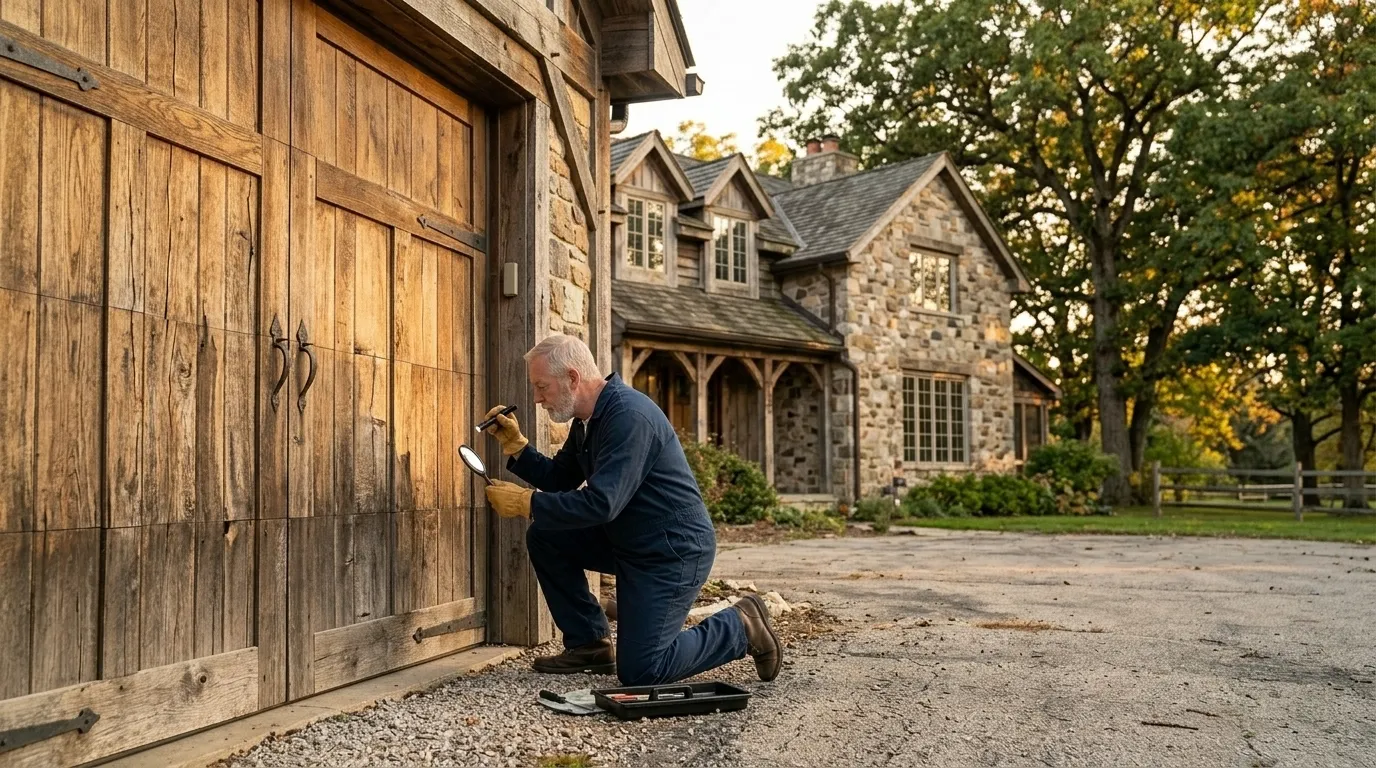
Houses built in the 1964-2012 window, the bulk of what's out there, were built for this climate, not for cold. That means original hardware often wasn't spec'd with cold-weather steel in mind, because nobody expected to need it. One honest limitation: we can't tell you a spring is about to go without seeing it in person - corrosion and coil fatigue don't always show from the outside, and a spring that looks fine can still fail on the next cold start.
How We Can Help
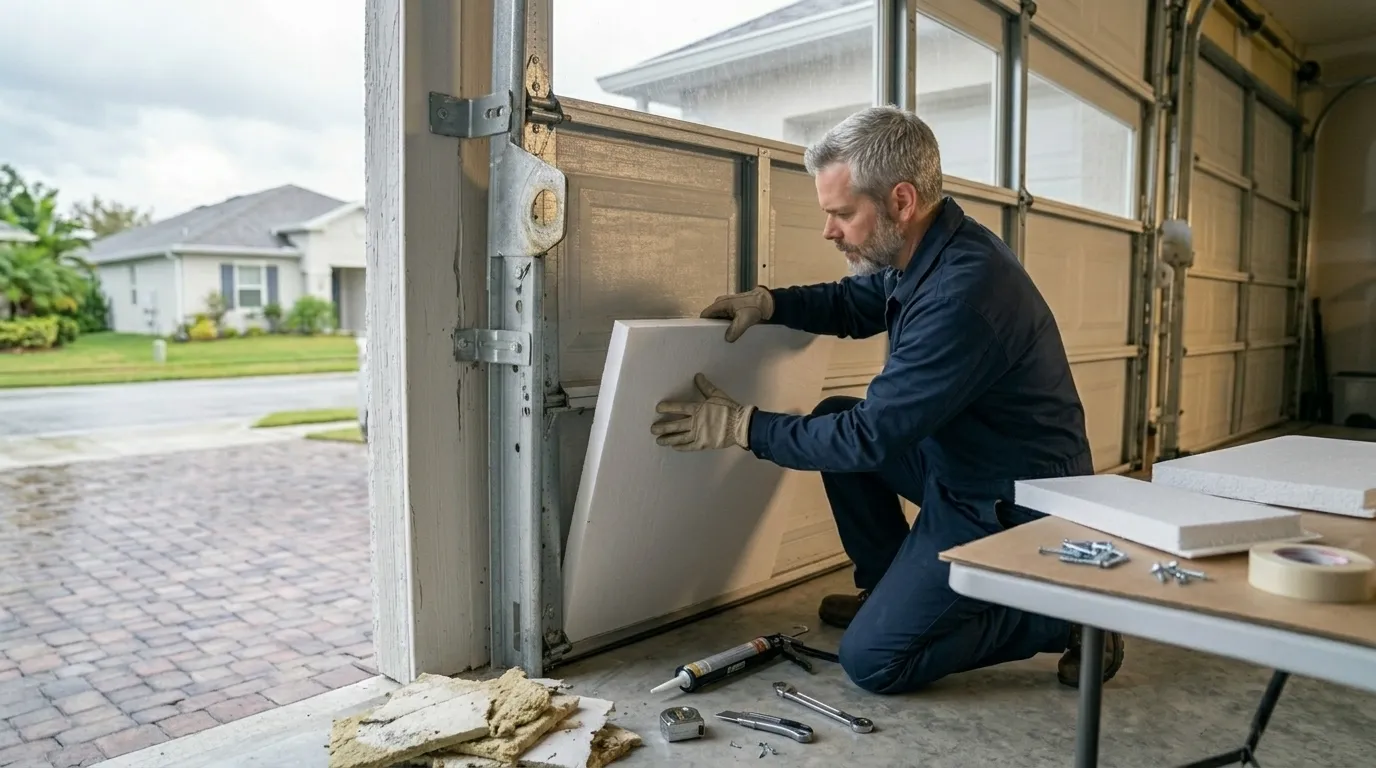
Garage Door Repair
Springs, cables, tracks, rollers, and openers fixed by a tech who explains the problem before touching anything.
Learn more →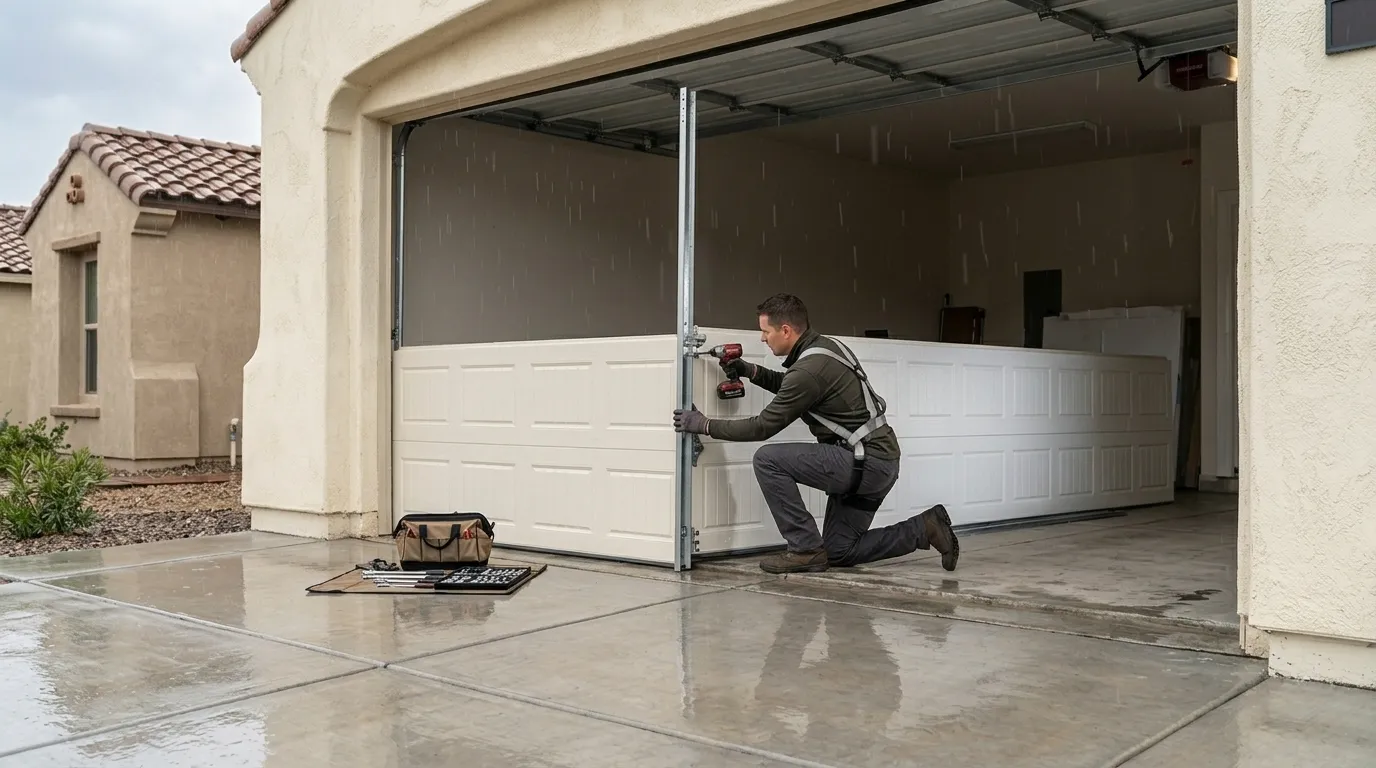
Garage Door Installation
New sectional doors sized and installed for the housing stock actually built in this area.
Learn more →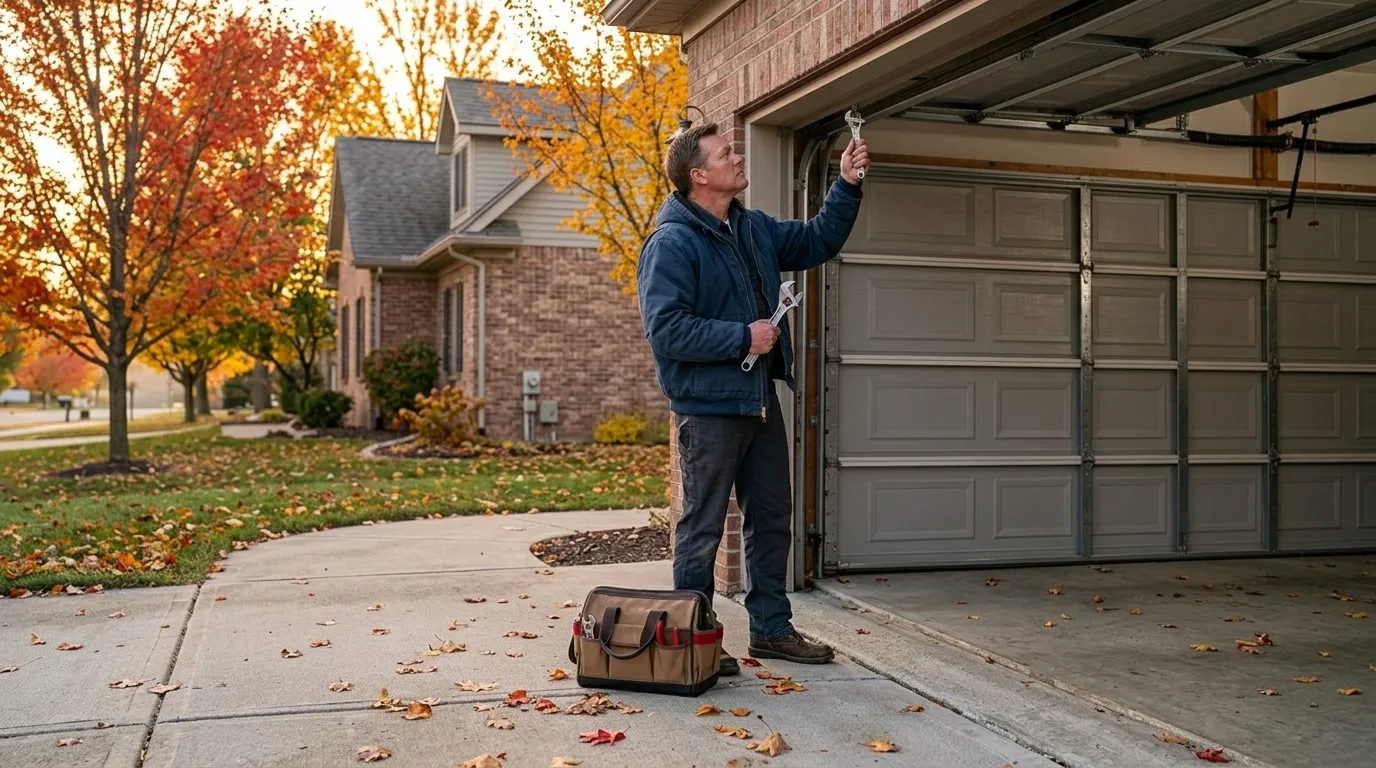
Garage Door Service
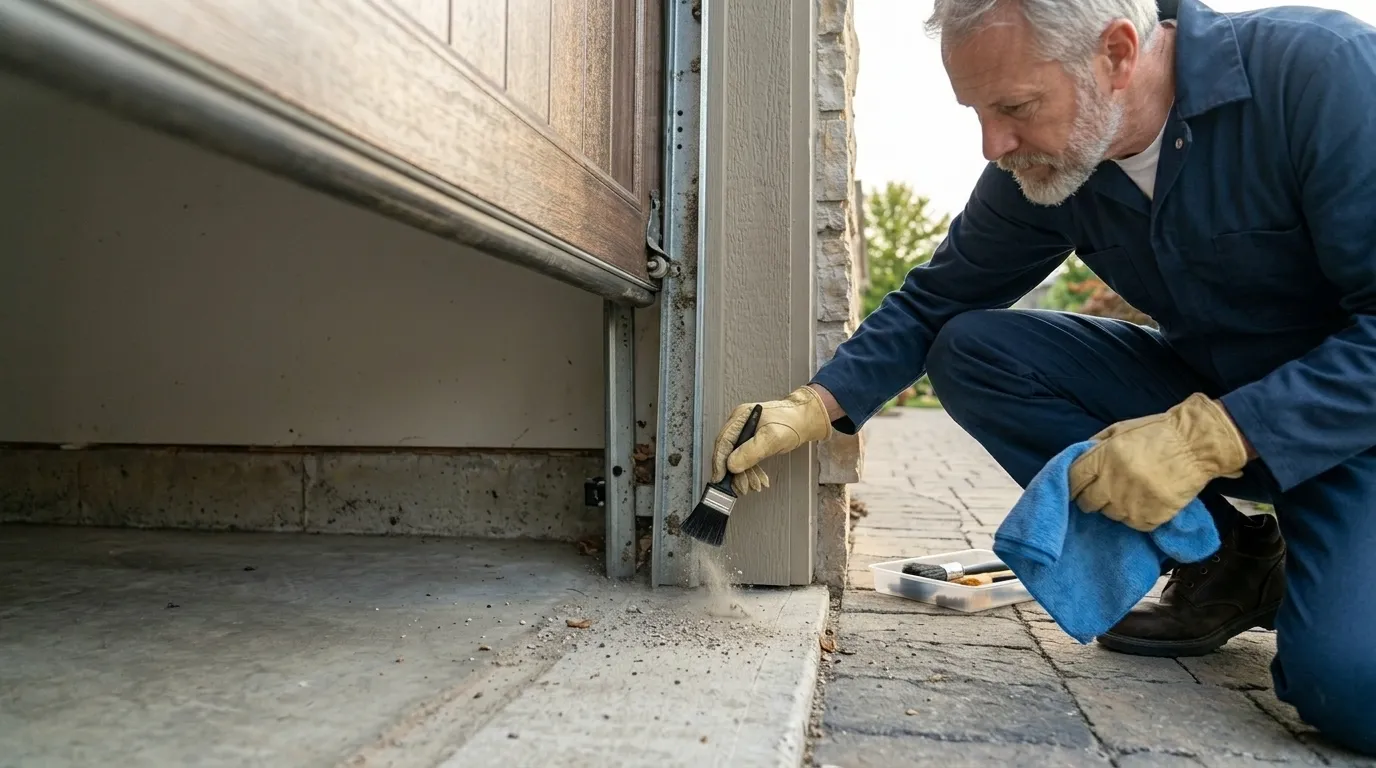
Tune-ups, lubrication, and safety checks that catch a small problem before it becomes a service call.
Learn more →Frequently Asked Questions
Does Sarasota's weather really affect garage door springs if it's mostly mild?
Yes, but indirectly. The mild climate means less day-to-day temperature cycling, which is good for spring life. The problem is humidity and salt air slowly corroding the coil year-round, so when one of the rare cold nights hits, an already-weakened spring is more likely to snap.
Why did my spring break on a cold morning if it's held up for years?
A spring can lose strength gradually from corrosion or age without showing obvious signs. Cold makes steel less elastic, so the first hard pull of the morning on a night that dropped into the 40s can be enough to break a spring that was already near the end of its life.
Is my older Sarasota house more likely to have a weak spring?
Houses in this area mostly went up between 1964 and 2012, with a lot dating to the 1970s. Original or older replacement springs from that era have spent most of their life in warm, humid conditions, which ages them differently than springs up north - corrosion matters more than temperature cycling.
Can you tell if my spring is about to fail before it breaks?
Not always from a quick look. Corrosion and coil fatigue can be hard to see from outside the spring. We can check age, coil condition, and tension when we're on site, but we won't promise a spring is safe just because it looks fine.
Have a Door That Needs a Second Opinion?
Call and describe what it is doing - we will tell you what it likely is.