
Sarasota Garage Door Guide
When to Repair an Older Sarasota Garage Door - and When Not To
A look at when a garage door from Sarasota's 1960s-70s housing stock is worth repairing versus replacing, based on local build years and climate conditions.
- Licensed & Insured
- Same-Area Service Calls
- Upfront Pricing
What Most People Get Wrong
The first assumption most homeowners make is that an old door means a dead door. Across this service area, housing went up mostly between 1964 and 2012, with the median build year landing at 1977 - squarely in the era of aluminum roll-formed panels and single-piece steel doors on side-mounted torsion hardware. A door built in that window isn't automatically junk.
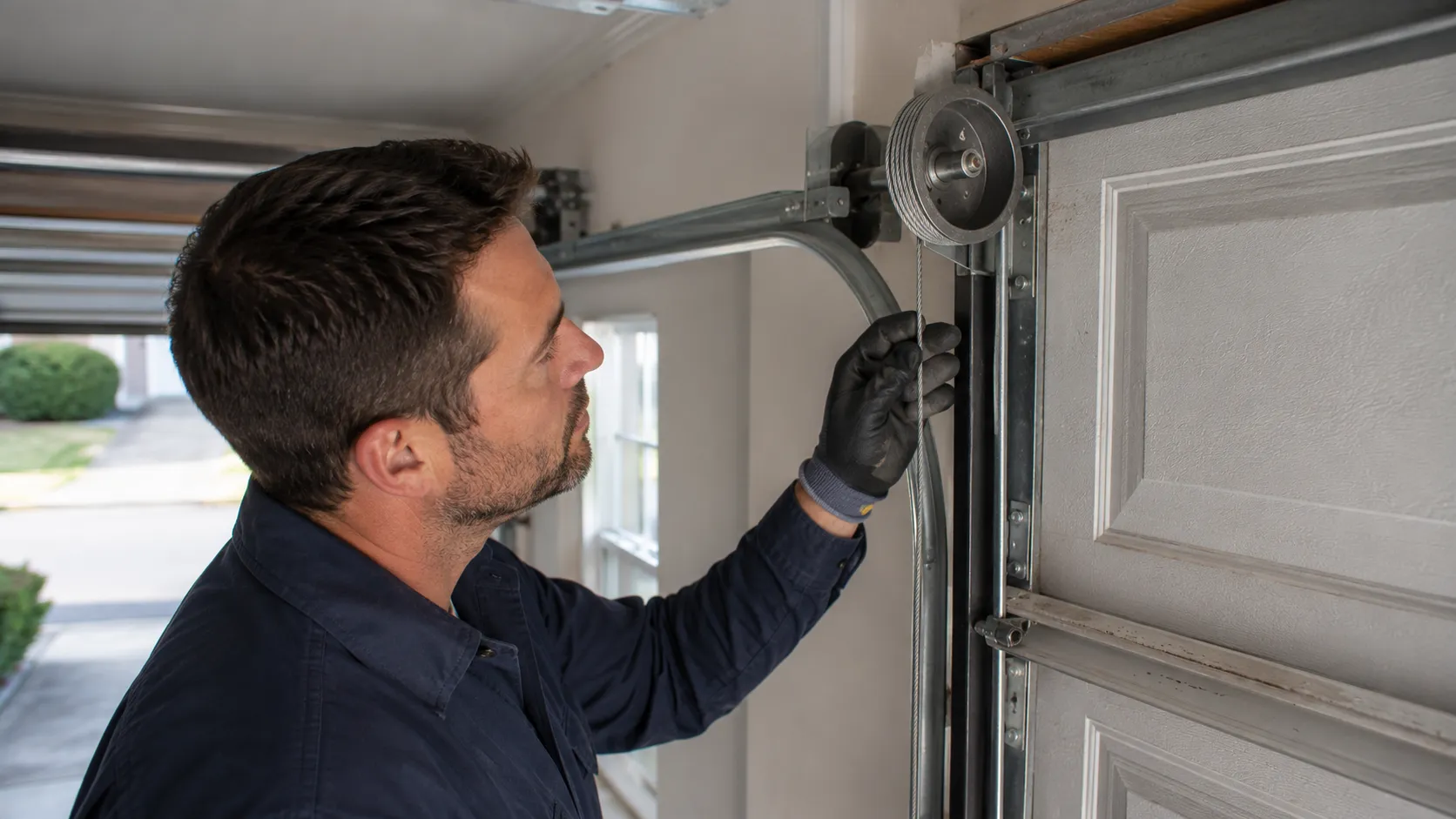
Springs wear out. Rollers wear out. Cables fray.
None of that means the door itself has failed.
What actually kills a door from this period is neglect of the moving parts, not the age of the panel. We see plenty of doors from the 1960s and 70s stock that run fine once the hardware gets serviced, and plenty of newer doors from the 2000s-era builds that are already struggling because nobody ever touched the springs.
The build year tells you what kind of hardware you're dealing with. It doesn't tell you whether the door is worth saving.
The honest answer is that repair-versus-replace comes down to the panel condition and the track alignment, not a calendar date. A door with straight track and intact panels is worth fixing almost every time, regardless of whether it went up in 1968 or 1998.
What Is Going On
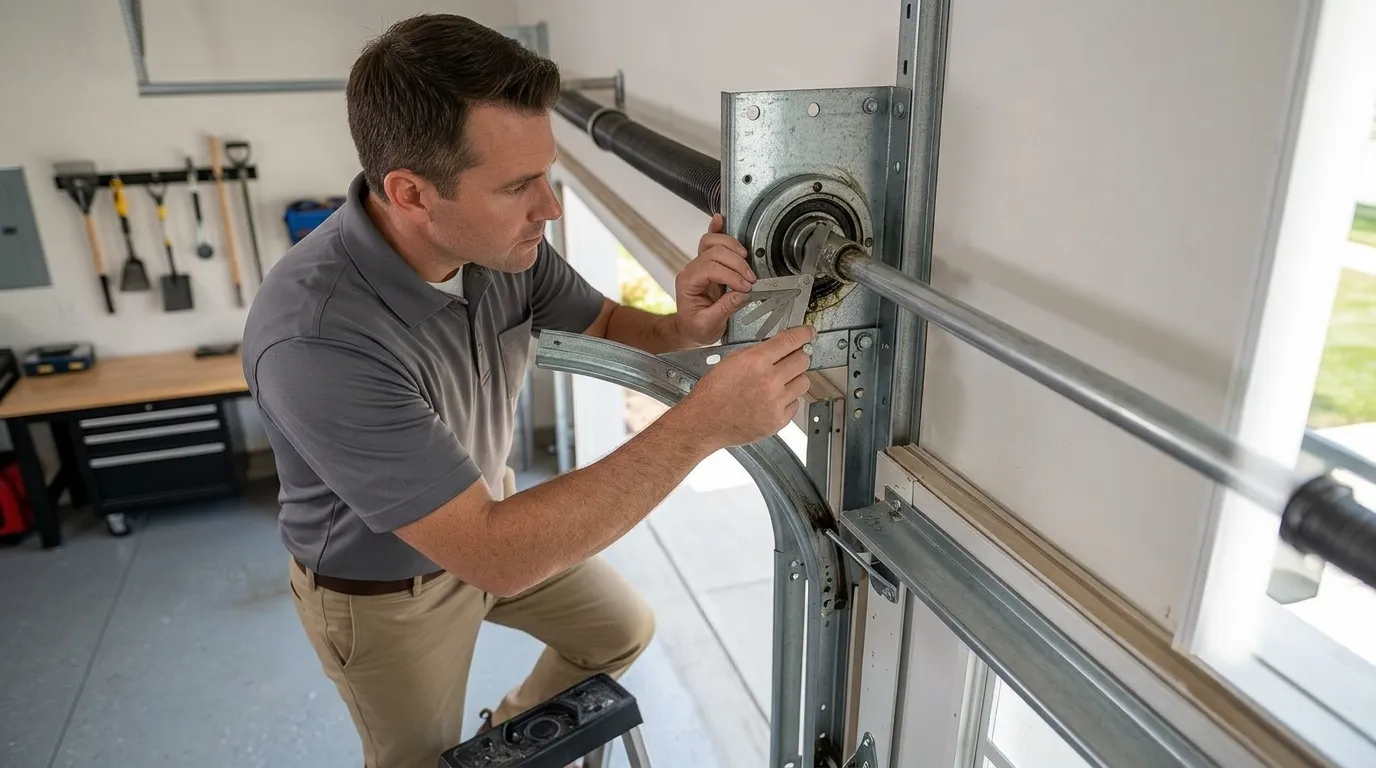
Across the 32 named communities we cover - Desoto Acres, Southgate, Ridge Wood Heights, and the rest - the bulk of the housing stock dates to the 1960s and 70s. That means a lot of original torsion spring setups, a lot of steel track sized to specs that changed later, and a lot of openers that have already been swapped once or twice while the door itself never was.
Here's the limitation worth stating plainly: once the original track or drum on one of these older setups is bent or pitted beyond service, we don't chase down obsolete part numbers to match it exactly. We replace with current-spec hardware that fits the same opening. If a homeowner wants an exact factory match to a 1970s track profile, that's not a job we take on - the parts aren't made anymore and hunting for salvage isn't a responsible use of anyone's money.
Short of that edge case, most of what fails on a door from this era is standard wear: spring fatigue, roller cracking, cable strand separation. All routine, all fixable, and none of it requires touching the panel.
Season by Season
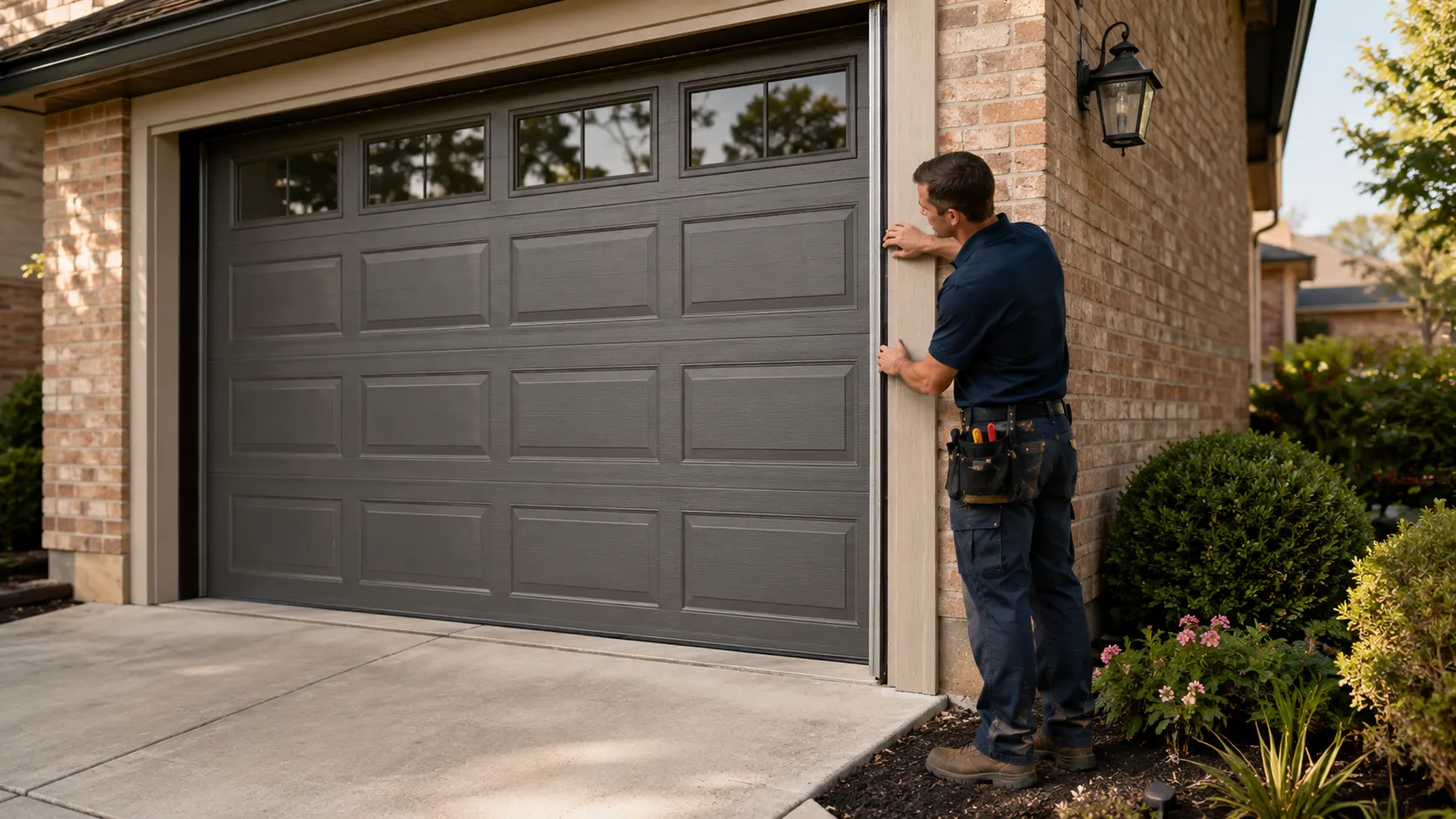
This area sits in a mild temperate climate band, which changes the maintenance picture compared to towns that deal with hard freezes. You're not fighting spring steel that contracts and cracks in January, and you're not scraping ice off a track in the morning. That's the good news for a 1970s-built door here - the hardware ages on a slower, more predictable curve than it would somewhere with real winter.
What you are dealing with is sustained humidity most of the year, and for homes closer to the water - think Siesta Key or Longboat Key direction - salt-laden air that speeds up corrosion on unprotected steel hardware faster than the climate band alone would suggest. Springs and hinges without a rust-resistant coating show pitting sooner here than they would inland at the same age.
There isn't a sharp seasonal spike the way there is with snow-belt towns. Wear here is steady and humidity-driven rather than triggered by one hard freeze-thaw cycle a year. That steadiness is actually an argument for repair over replacement on an older door: the failure mode is gradual corrosion and fatigue, which a service visit catches early, not a sudden crack from a cold snap.
How Local Conditions Play In
Put the housing stock and the climate together and you get a specific answer for this area, not a generic one. A door built anywhere in the 1964-2012 range, median 1977, in a mild temperate climate without hard freeze-thaw stress, tends to have its panel structure hold up fine long after the hardware needs attention. That's a different equation than a door built the same year somewhere with real winters, where panel warping from repeated freeze cycles becomes a real reason to replace.
With 59,239 owner-occupied houses out of 109,619 households across this service area, a large share of the doors we look at are original to homes built decades ago. At a median household income of $77,359, most owners here can absorb the cost of a spring or track repair without treating it as something to put off indefinitely - which matters, because deferred spring replacement is what turns a $150 problem into a cable and drum problem.
The practical takeaway: on a door from this area's typical build era, check hardware condition before assuming the door is done. Panel life here tends to outlast the springs by a wide margin.
How We Can Help
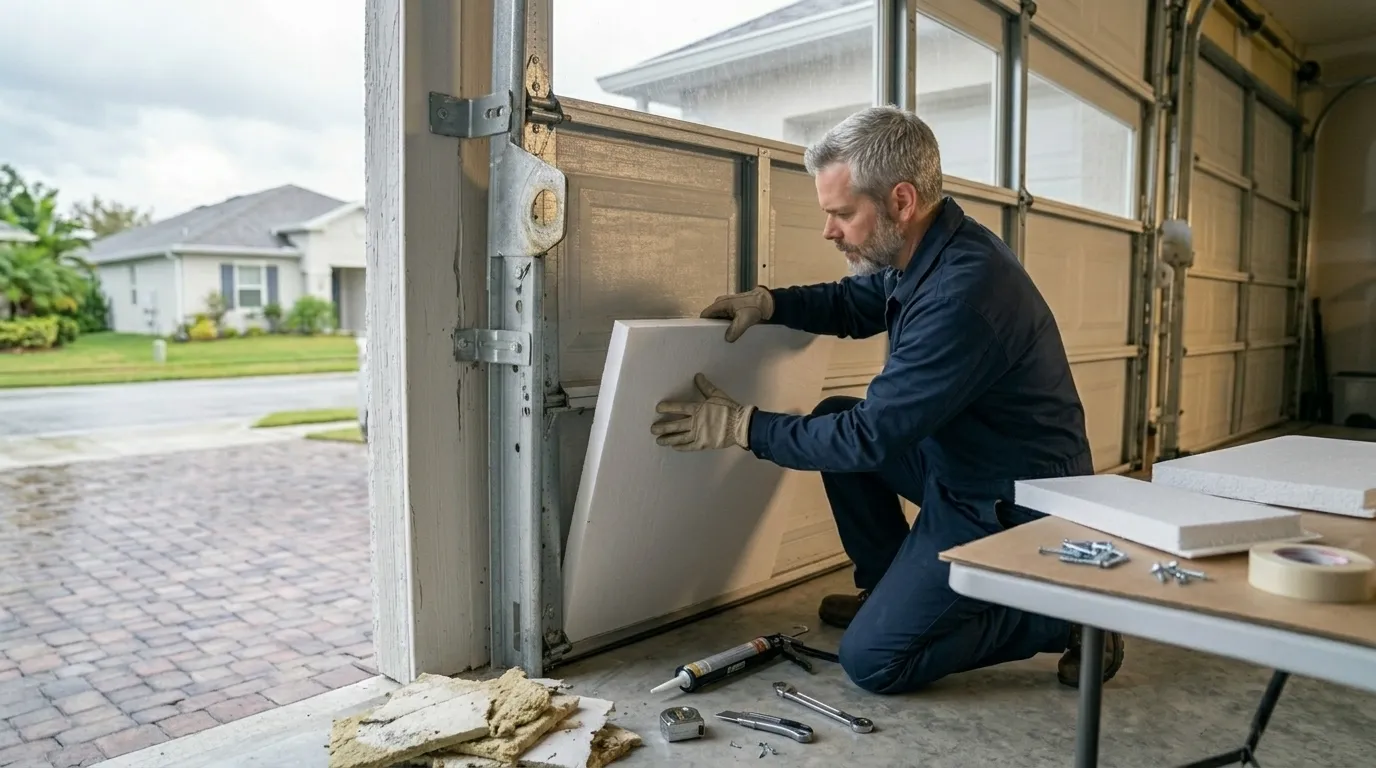
Garage Door Repair
Springs, cables, tracks, rollers, and openers fixed by a tech who explains the problem before touching anything.
Learn more →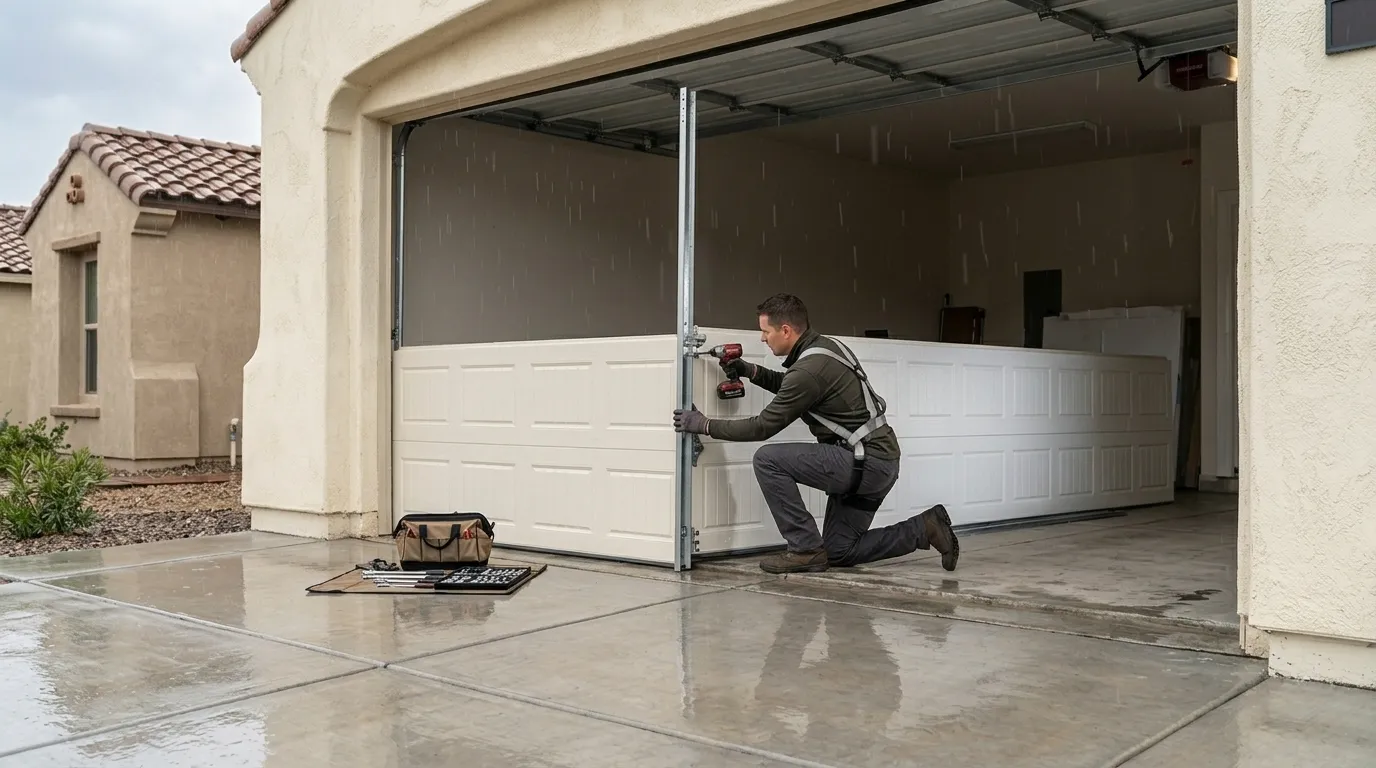
Garage Door Installation
New sectional doors sized and installed for the housing stock actually built in this area.
Learn more →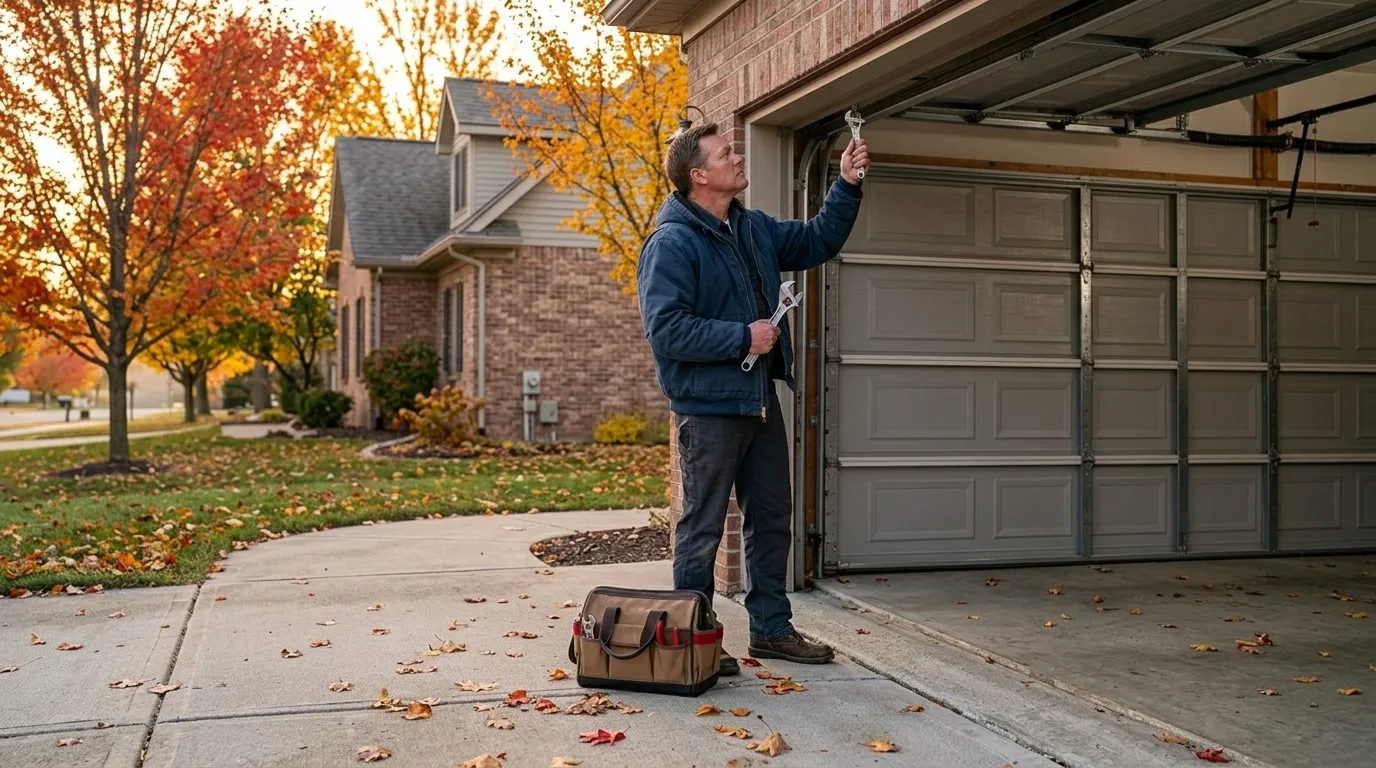
Garage Door Service
Tune-ups, lubrication, and safety checks that catch a small problem before it becomes a service call.
Learn more →Frequently Asked Questions
My garage door is from the 1970s. Is it worth fixing?
Almost always, yes - if the panel is straight and the track isn't bent. Doors built during Sarasota's main construction era, median 1977, were built with steel and hardware that holds up well in this climate. What fails first is the spring and rollers, not the panel. Replace the worn hardware and the door usually has years left.
Does Sarasota's humidity affect garage door hardware?
Yes, more than temperature swings do. This area's mild temperate climate means you're not dealing with freeze-thaw cracking, but sustained humidity and, closer to the coast, salt air speed up corrosion on unprotected springs, hinges, and cables. Coated or galvanized hardware holds up noticeably longer here than bare steel.
When does it make sense to replace instead of repair?
When the track or drum is damaged beyond service on an older setup, we replace with current hardware rather than hunting down obsolete parts, since exact factory matches to older track profiles generally aren't made anymore. If the panel itself is dented, cracked, or the seams have separated, that's also a replacement call.
How do I know if it's the spring or the opener?
If the door won't budge even with the opener disconnected and pulled by hand, it's almost always the spring, not the opener. Openers rarely fail outright; springs wear out on a predictable cycle. On original hardware from this area's older housing stock, spring fatigue is the most common call we get.
Have a Door That Needs a Second Opinion?
Call and describe what it is doing - we will tell you what it likely is.