
Sarasota Garage Door Guide
Why So Many Sarasota Garage Doors Were Never Insulated
Sarasota's housing stock runs 1964-2012, median 1977 - years before insulated garage doors were standard. Here's what that means for the door on your house.
- Licensed & Insured
- Same-Area Service Calls
- Upfront Pricing
What Most People Get Wrong
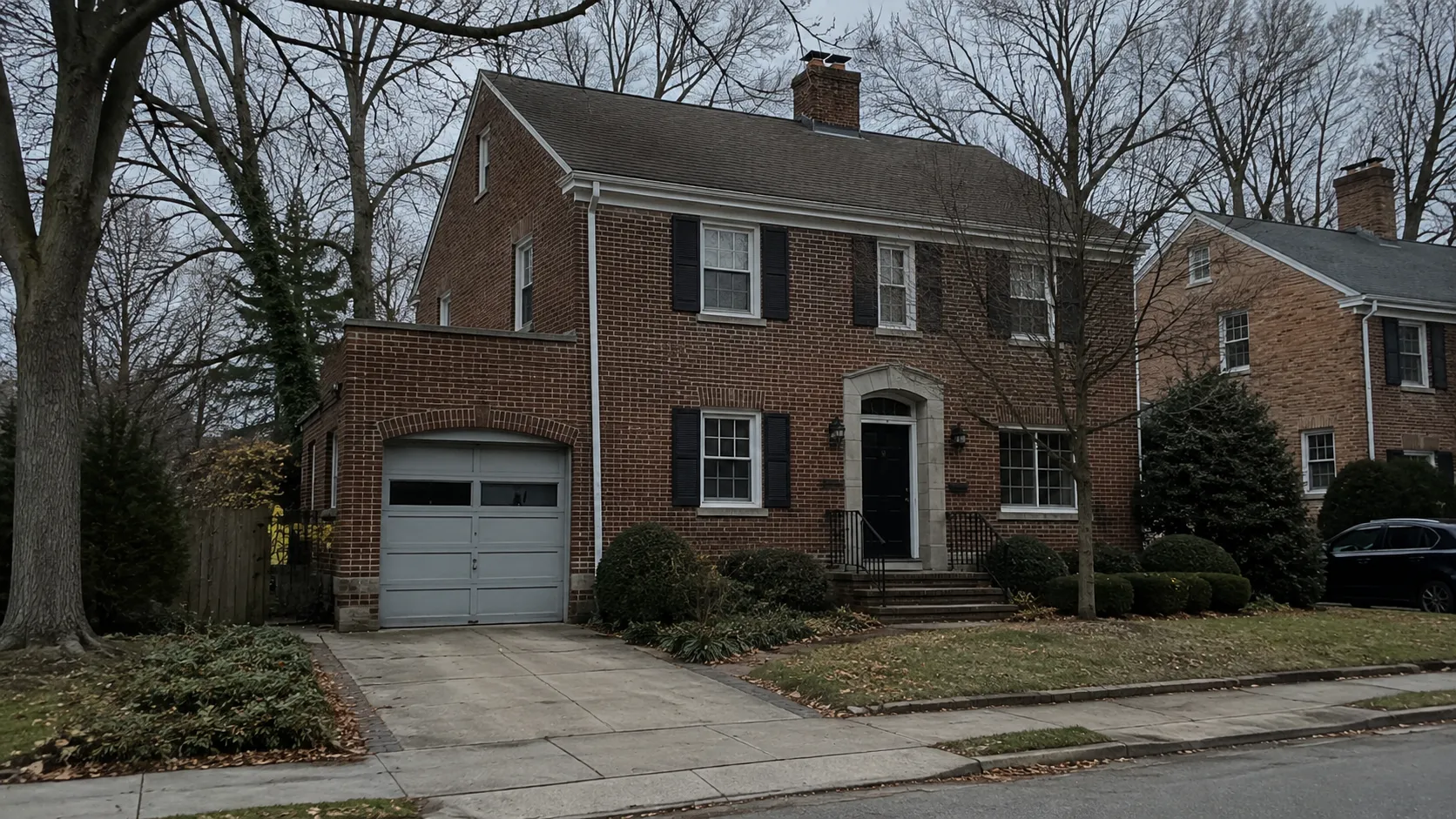
People assume an uninsulated garage door is a defect, something that slipped past whoever installed it. It usually isn't. Across Sarasota's service area, the housing stock runs from 1964 to 2012, with the median build year sitting at 1977.
Most neighborhoods on the list - Southgate, Desoto Acres, Ridge Wood Heights, Sarasota Springs - are dominated by that 1960s-70s wave of construction. In that era, insulated steel garage doors weren't a standard product line the way they are now. A door installed on a house built in 1968 or 1974 was very likely a single skin of steel or a solid wood panel, with no foam core and no thermal break at the frame.
That's not a corner someone cut. It's just what a garage door was, before insulation requirements and insulated-door manufacturing caught up to each other. The mistake is treating that original door as broken because it's thin.
It may be doing exactly what it was built to do - it's just fifty-plus years old and was never designed against today's baseline.
What Is Going On
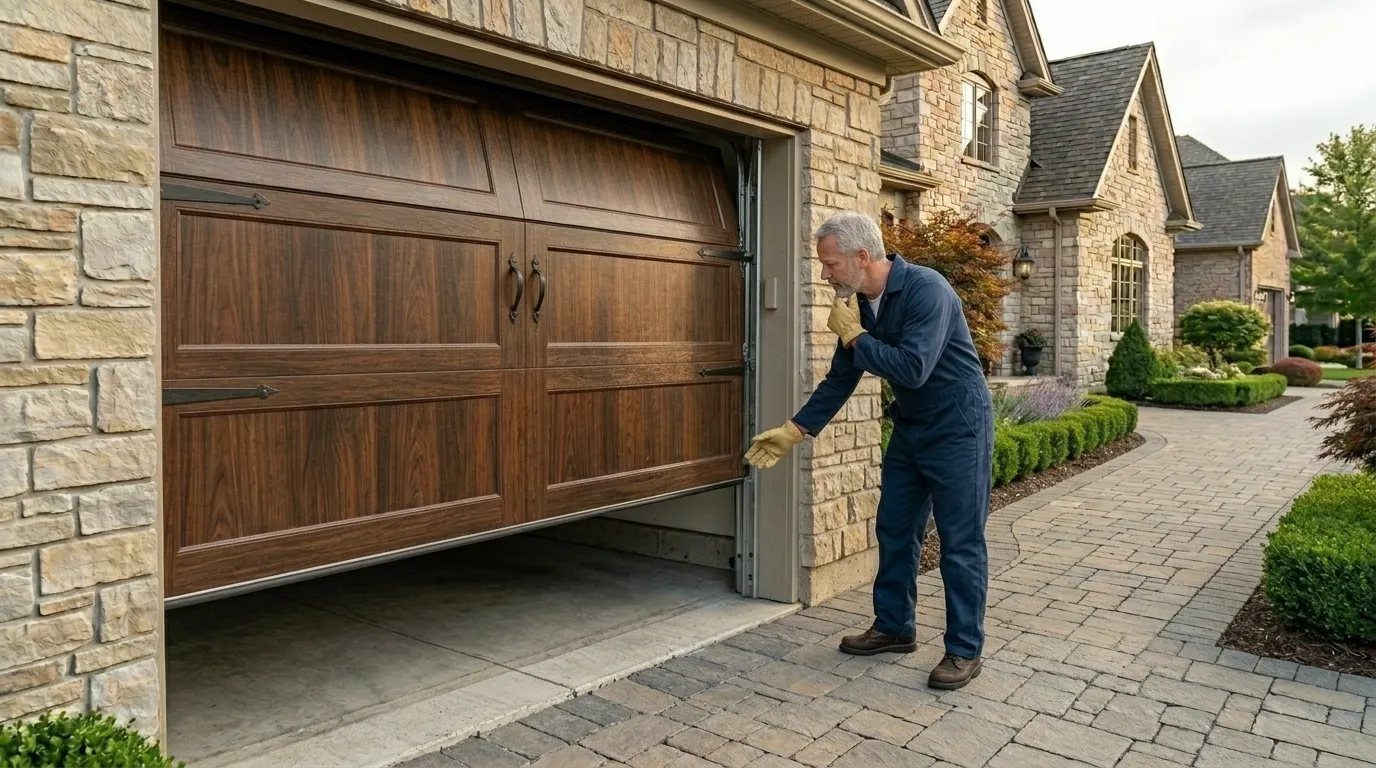
Sarasota sits in a mild temperate climate band, which changes the story from what you'd hear in a place with hard winters. Insulation on a garage door here isn't fighting frozen pipes or ice dams - it's managing heat gain, some noise dampening, and the stiffness of the panel itself. On a house from the median 1977 build year, the original door is often a 24- or 25-gauge steel skin or a wood-composite panel with no core at all.
Over five decades that steel has usually been repainted, dented, and re-hung more than once, and the wood versions have often swelled, warped, or delaminated at the bottom panel where water sits longest. None of that is catastrophic on its own. But it means the door is carrying two separate jobs now: keep working mechanically, and do something about heat and sound it was never built to handle.
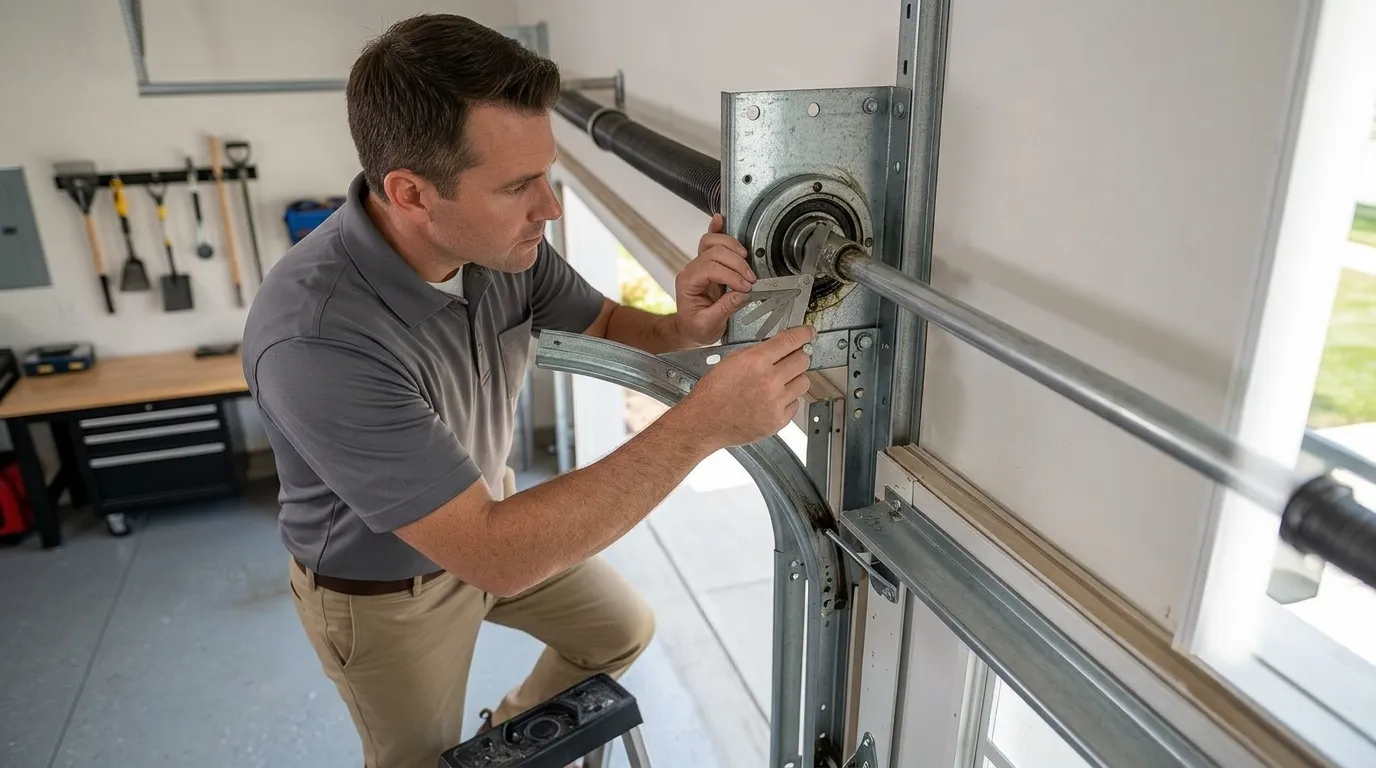
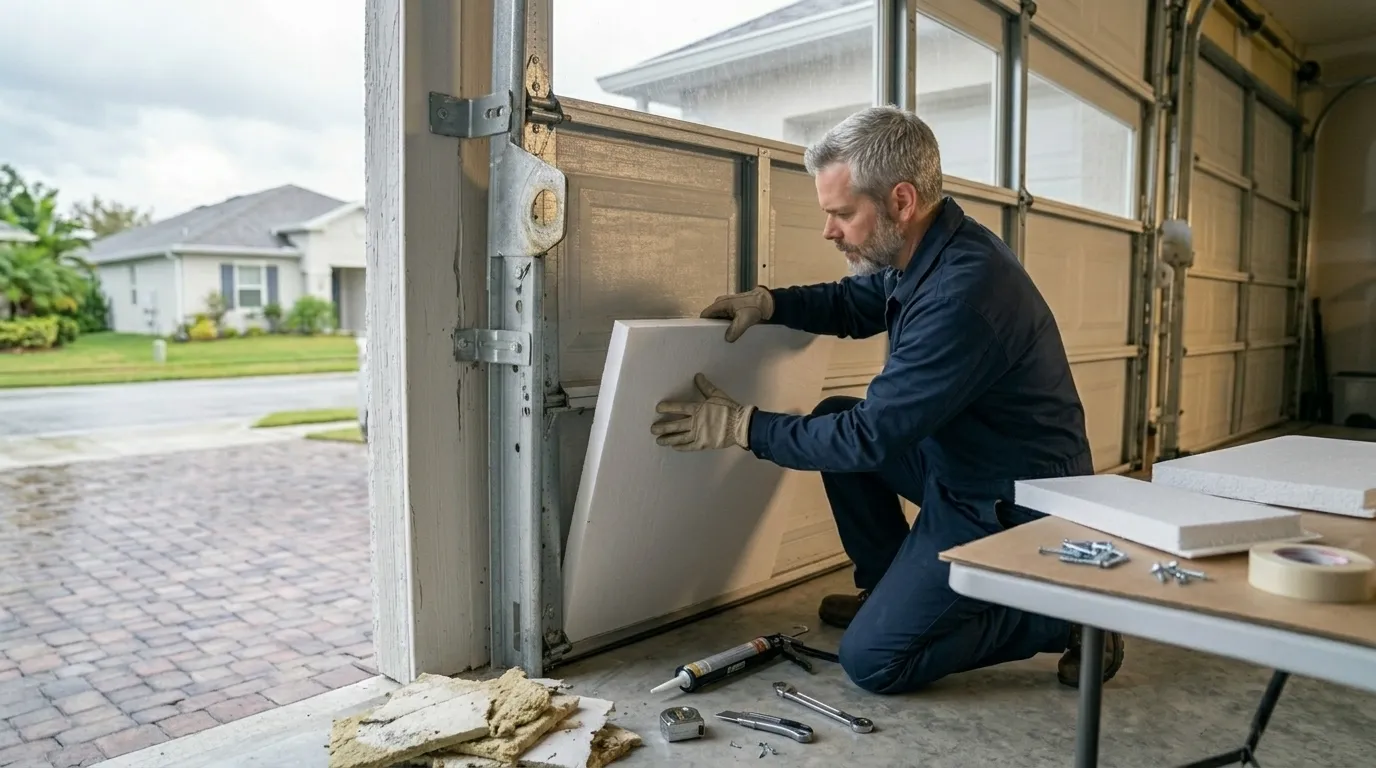
Retrofitting insulation onto an old panel door is possible in some cases with add-on kits, but on doors this old the hardware - hinges, rollers, the track gauge - is often as dated as the skin, so insulation alone rarely solves what's actually going wrong.
Season by Season
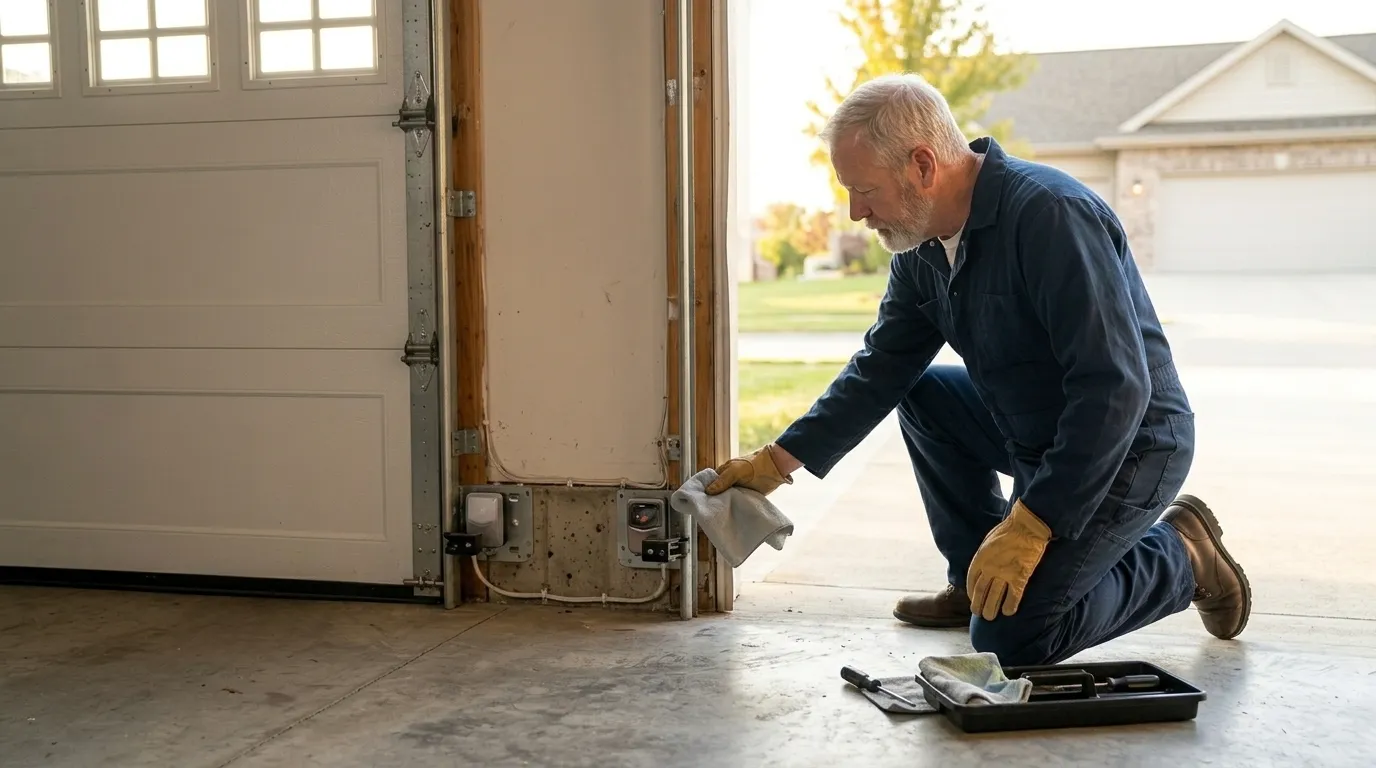
Because the climate here stays mild year-round, there isn't a hard freeze-thaw season that stresses these old panels the way it would further north - but that doesn't mean the door is season-proof. Summer heat still builds inside an uninsulated garage, and a thin steel skin flexes more on hot afternoons than a foam-core door does, which is when you tend to hear new rattles at the top panel or notice the door binding slightly in the track. Wetter stretches of the year are harder on original wood-panel doors specifically, since bare or thinly sealed wood from a 1970s install has had decades to absorb and release moisture at the bottom rail.
There's no month where these doors are simply left alone. The absence of a brutal winter just means the wear shows up as slow fatigue - sagging, seam separation, panel warp - rather than a single dramatic failure. If you own one of the original doors from that median 1977 era, the smart move is checking it in whatever season you're least likely to already be looking at it, since nothing forces the issue here the way ice would elsewhere.
How Local Conditions Play In
With 59,239 owner-occupied houses out of 109,619 households across the service area, and a median household income of $77,359, a lot of these owners are in a real position to choose replacement over patchwork repair on a fifty-year-old door - and for many of the pre-1980s panels, that's the more honest answer than adding insulation after the fact. Bolting foam board to the back of an original steel skin can quiet it down a little, but it doesn't fix a warped panel, worn hinges, or a track gauge that no longer matches current hardware.
We'll say plainly what we can't do: we don't manufacture custom insulation retrofits for discontinued panel profiles, and on a lot of these original doors the parts to do a proper job simply aren't made anymore. For a lot of houses in North Sarasota, Southgate, and the other older pockets on our list, replacement with a modern insulated door ends up costing less over time than repeatedly patching a panel built before anyone was thinking about R-value.
How We Can Help
Garage Door Repair
Springs, cables, tracks, rollers, and openers fixed by a tech who explains the problem before touching anything.
Learn more →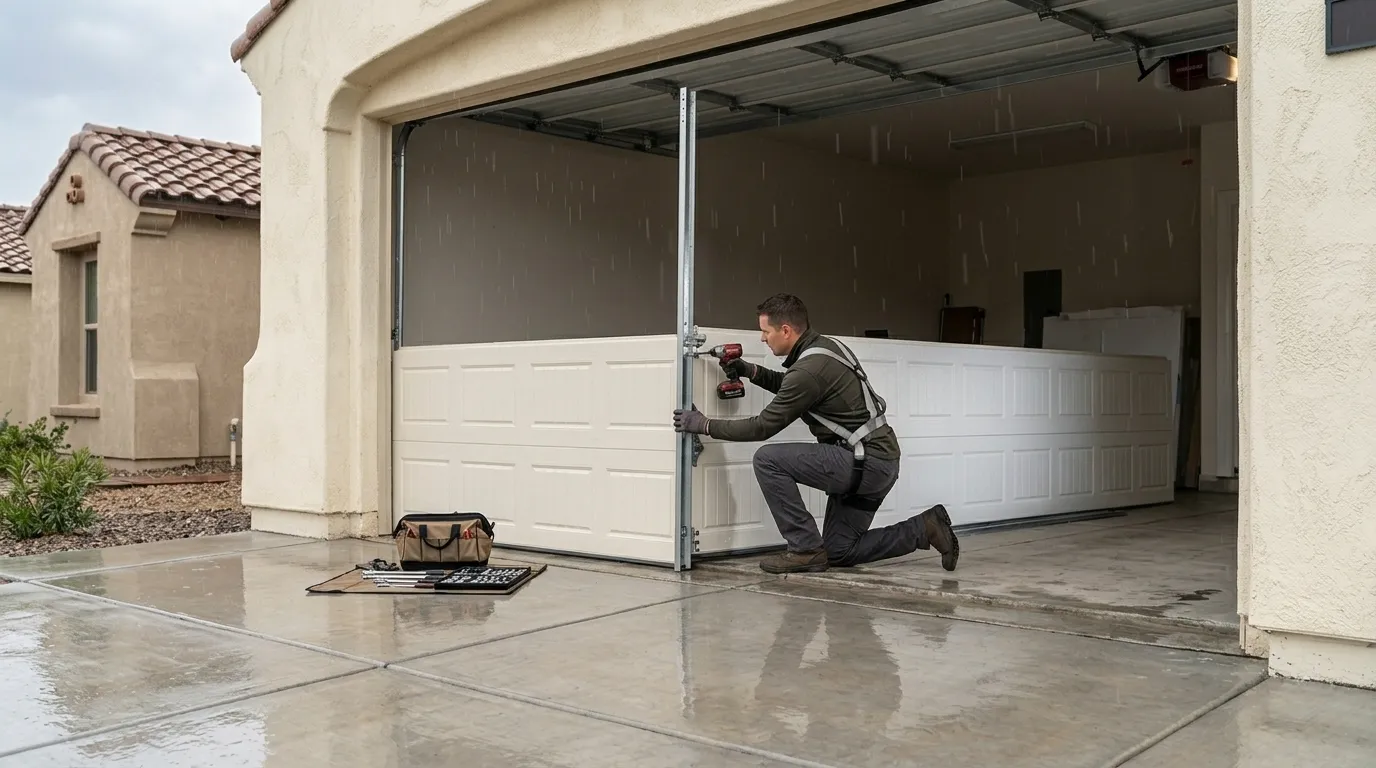
Garage Door Installation
New sectional doors sized and installed for the housing stock actually built in this area.
Learn more →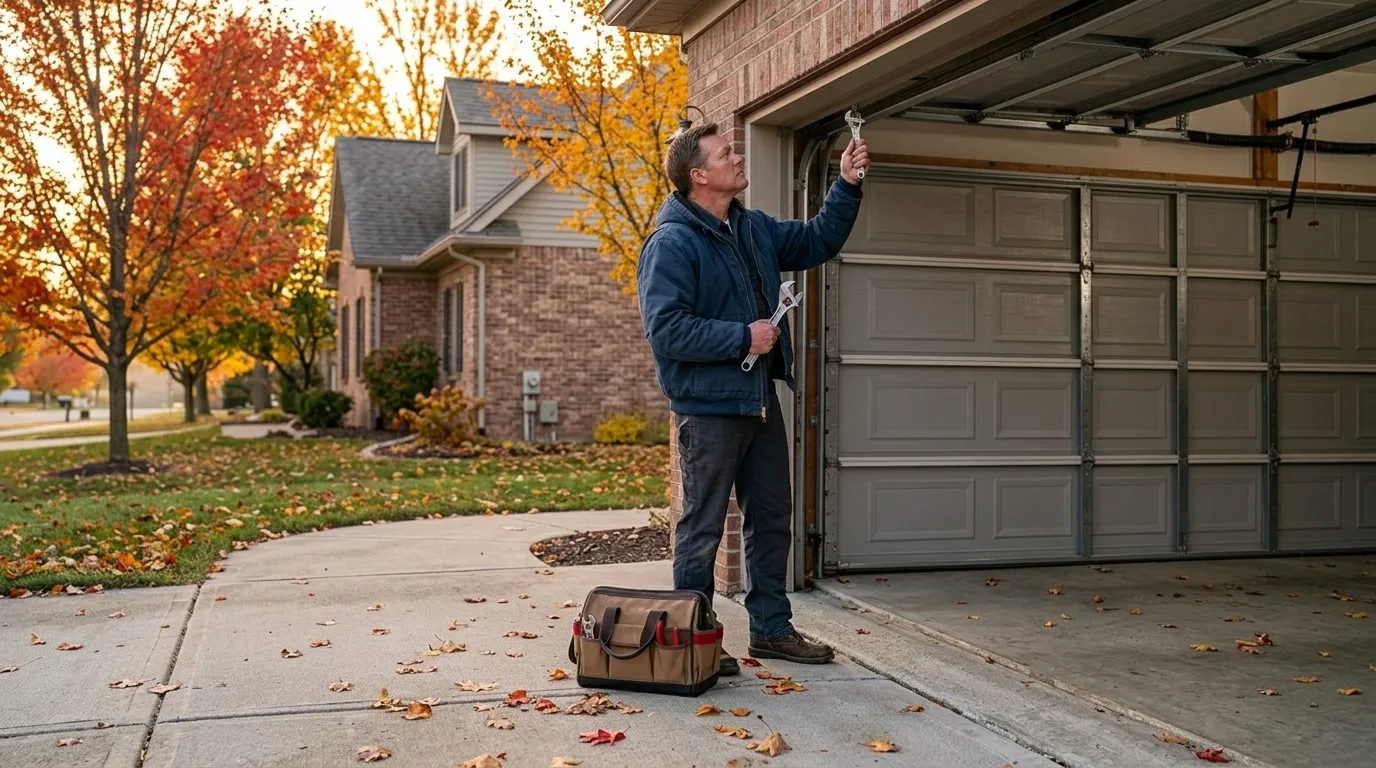
Garage Door Service
Tune-ups, lubrication, and safety checks that catch a small problem before it becomes a service call.
Learn more →Frequently Asked Questions
Is my garage door original to the house if it was built in the 1970s?
It's common but not guaranteed. Given the median build year of 1977 across the area, a lot of original steel and wood-panel doors are still in service, but many have already been swapped at least once. If the door looks hand-painted over old dents or the panel style looks dated next to the house, it's likely original.
Does adding insulation to an old door help in Sarasota's climate?
Some, but less than people expect. Since the climate here is mild rather than harsh, insulation mostly affects heat gain and noise, not freeze protection. On a warped or worn panel from the 1960s-70s stock, insulation add-ons don't fix the underlying mechanical wear, so it's often not the best money spent.
Should I repair or replace a garage door from that era?
Depends on what's actually wrong. If it's hardware - springs, rollers, a track out of alignment - repair usually makes sense. If the panel itself is warped, delaminated, or the steel skin is thin and dented, replacement with a modern insulated door is usually the better long-term call.
Have a Door That Needs a Second Opinion?
Call and describe what it is doing - we will tell you what it likely is.